


-
Greece
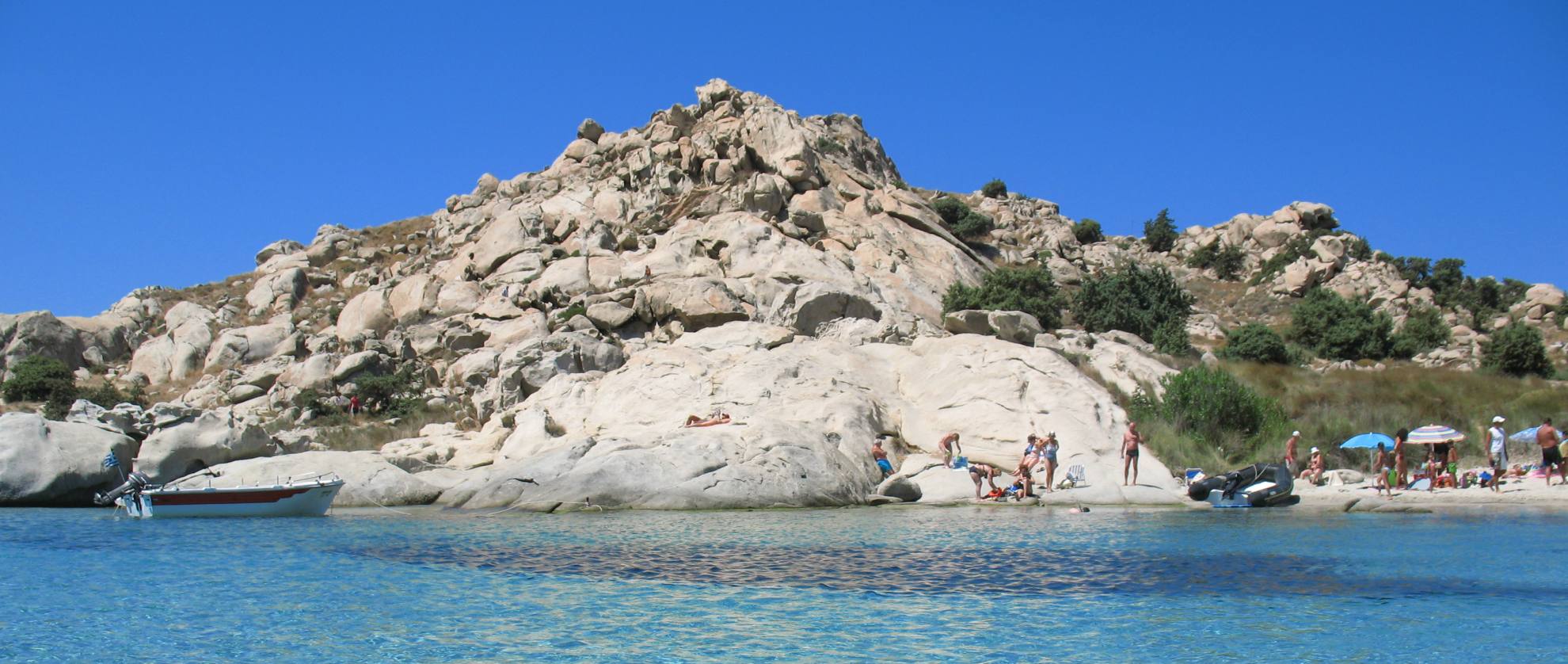
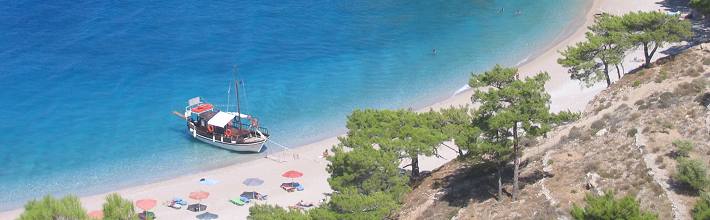
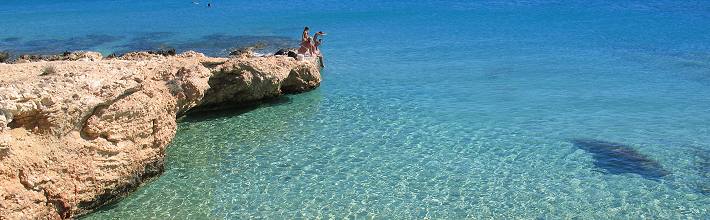
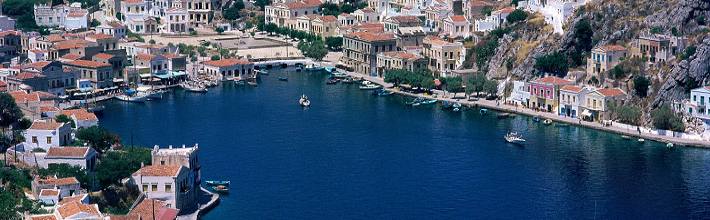
With over one hundred and fifty inhabitant islands, with a unique variety of landscape in the world, with thousand of years of civilization and hundreds of sites, with excellent beaches, bright blue seas, fertile valleys, gorgeous green landscapes, mountains, forested ravines, turbulent rivers, with ageless history, an incredible profusion of cultural monuments, gracious ancient ruins, Greece has interests to fill years of travel. It is an inspiring destination, blessed with natural beauty.
Life in Greece is unique. You can dream the classical myths, relax by the sea, join the locals for a glass of ouzo, or tsipouro or raki dance until the early hours in some of the top night-clubs in the Mediterranean, live a romantic vacation and you can always add an extra dimension to your holiday with activities such as cycling, walking, wind surfing, kayaking, yacht sailing, diving, snow skiing, mount climbing, air sports, horse riding and everything you can imagine.
Where to goGreece has so much to offer. There are so many different places for all kind of interests.
- Archaeology & Historical Places
- Athens, Peloponnese, Sterea Ellada
- (Delphi), Macedonia (Veryina), Crete,
- Delos Island (reached from Santorini),
- Thessaloniki, Santorini
- and most of Greece
- Beaches
- Numerous choices
- Family beach holiday
- Numerous choices
- Water sports
- Numerous choices
- Night life
- Numerous choices
- Cosmopolitan
- Athens, Mykonos, Rhodes, Santorini,
- Corfu, Loutraki (Peloponnese), Crete,
- Hydra
- Peace, quiet and relaxation
- Numerous
- Scenery
- Santorini, Peloponnese, Kefalonia, Epirus,
- Thessaly, Drama prefecture, Thrace
- Winter break
- Athens, Peloponnese, Sterea Ellada,
- Epirus, Macedonia, Thrace,
- Thessaly, Evia
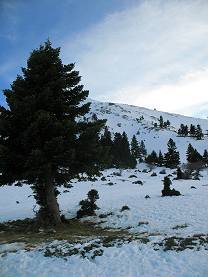
- Snow ski
- Pelion - Agiolefkes (Magesia prefecture),
- Mount Parnassos,
- Voras (Pella prefecture - Macedonia),
- Vitsi (Kastoria prefecture - Macedonia),
- Vigla (Florina prefecture - Macedonia)
- Vasilitsa (Grevena prefecture - Macedonia)
- Pertouli (Trikala prefecture - Thessaly)
- Kalavrita (Ahaia prefecture - Peloponnese)
- Athens, Peloponnese, Sterea Ellada
Useful InformationPopulation: 10 million
Capital: Athens
Currency: Euro
Language: Greek
Electricity: 220 Volts, 50 Hz
Time: Two hours ahead of GMT/UTC, Three hours ahead during daylight saving time
International airports- Athens
- Thessaloniki
- Preveza
- Kavala
- Ioannina
- Kalamata
- Skiathos
- Santorini
- Mykonos
- Rhodes
- Kos
- Heraklion
- Limnos
- Chios
- Mytilene
- Samos
- Zakynthos
- Corfu
- Cephalonia
- Archaeology & Historical Places
-
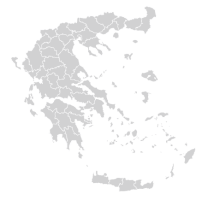
Greek Regions
Greek Islands
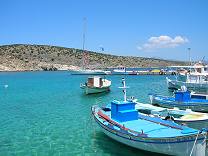
Cyclades: Cycladic Islands have a very distinct character, not found in part of the world. Rocks rising from the sea, little villages with sugar cube white houses, very picturesque, brilliant beaches, some of them for peace and relaxation, some of them for night life. Beautiful all of them.
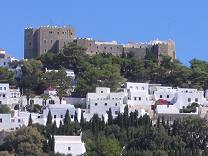
Dodecanese: Dodecanese have a distinct character and architecture due to successive rulers - Venetian, Ottoman and Italian. Dodecanese cover everything, from international resorts such as Rhodes, Kos to relaxed places such as Lipsi Telendos, Halki, Kastellorizo and Tilos.
Ionian Islands: Very green even lush, olive groves and cypresses, very gentle, very different than the sharp islands of the Aegean. Very beautiful, with fabulous beaches and scenery.
Saronic Gulf: Charming islands close to Athens. Very cosmopolitan and quiet as well as with traditional Greek lifestyle.
East and North Aegean Islands: They have fascinating, unspoiled beaches, villages and landscape. Each island has a strong identity.
Crete: Is the largest island in Greece, which looks like a land on its own. It has everything the traveller want: great beaches, unique landscape, remote hinterlands, cosmopolitan spots, large cities, quiet villages and very hospitable people.
Sporades: The islands that combine the cosmopolitan atmosphere with tranquility. Rugged coasts, "post-card" beaches, pine forests, stunning scenery.
Evia: It is a huge island -the second largest in Greece after Crete, connected to mainland Greece by bridge. It has dramatic scenery with olive groves, orchards, dense forests, cliffs, mountains and beaches.
Mainland Greece
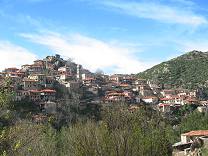
Peloponnese: One of the most interesting regions in Greece. Excellent beaches, very fertile but with stony deserts too, cosmopolitan and remote resorts too. Numerous interesting sites such as Olympia the host in antiquity to the Olympic games, the palace of Agamemnon in Mycenae, the ancient theatre of Epidavros, the castles of Nafplio and Methoni, the Byzantine shells of Mystra and Monemvassia. A round of Peloponnese is highly recommended.
Sterea Ellada: Includes the prefecture of Attica where Athens is located and the prefectures of Boeotia (Thebes of Thiva), Fokida (Galaxidi, Nafpaktos and the site of ancient oracle Delphi), Fthiotida (plenty of sea side resorts), Aitoloakarnania (with the historical town of Messolongi) and Evritania (with Karpenisi and Mount Parnassos, the Greek Alpine scene).
Thessaly: Remarkable beauty with the famous rock monasteries at Meteora, the stunning Lake of Plastira, the beautiful coast of Larisa prefecture with the valley of Tempe and the flanks of Mount Olympos (the mount of the twelve ancient Greek Gods) and Magnesia prefecture with Pelion peninsula, famous for its beauty, with an Alpine with beaches scenery.
Epirous: It has a very strong regional identity, with mountains and passes, turbulent rivers, fantastic villages (Zagori villages, Metsovo), sea side sites (Preveza and beautiful Parga) and a ferry terminal (Igoumenitsa) for Corfu and Italy.
Macedonia: It is the largest region in Greece with Thessaloniki (Salonica) the capital, Halkidiki with fabulous beaches, Kastoria the lake city, Florina where snow is very common, Kavala city with ferry connections to Thassos Island, Edessa with the famous waterfalls, Prespa lakes, Drama and Serres prefectures with unique mountainous beauty, ancient sites, the tomb of Philip II the father of Alexander the Great.
Thrace: It is the eastern region of Greece away from the mass tourism, and it is very fertile, lush with mountains, rivers and valleys, a unique scenery.

Greece is beautiful
The travel guide to Greece


Contact: contact@thegreektravel.com Last update 26 April 2019